
Cosmetic Packaging
Solutions by Material
Beyond standard manufacturing. We deliver cosmetic packaging materials that perfectly balance formula safety, premium design, verifiable sustainability, and cost-efficiency. From heavy-base glass to fully recyclable mono-material plastics, we provide reliable, compliant solutions for global beauty brands and contract fillers.
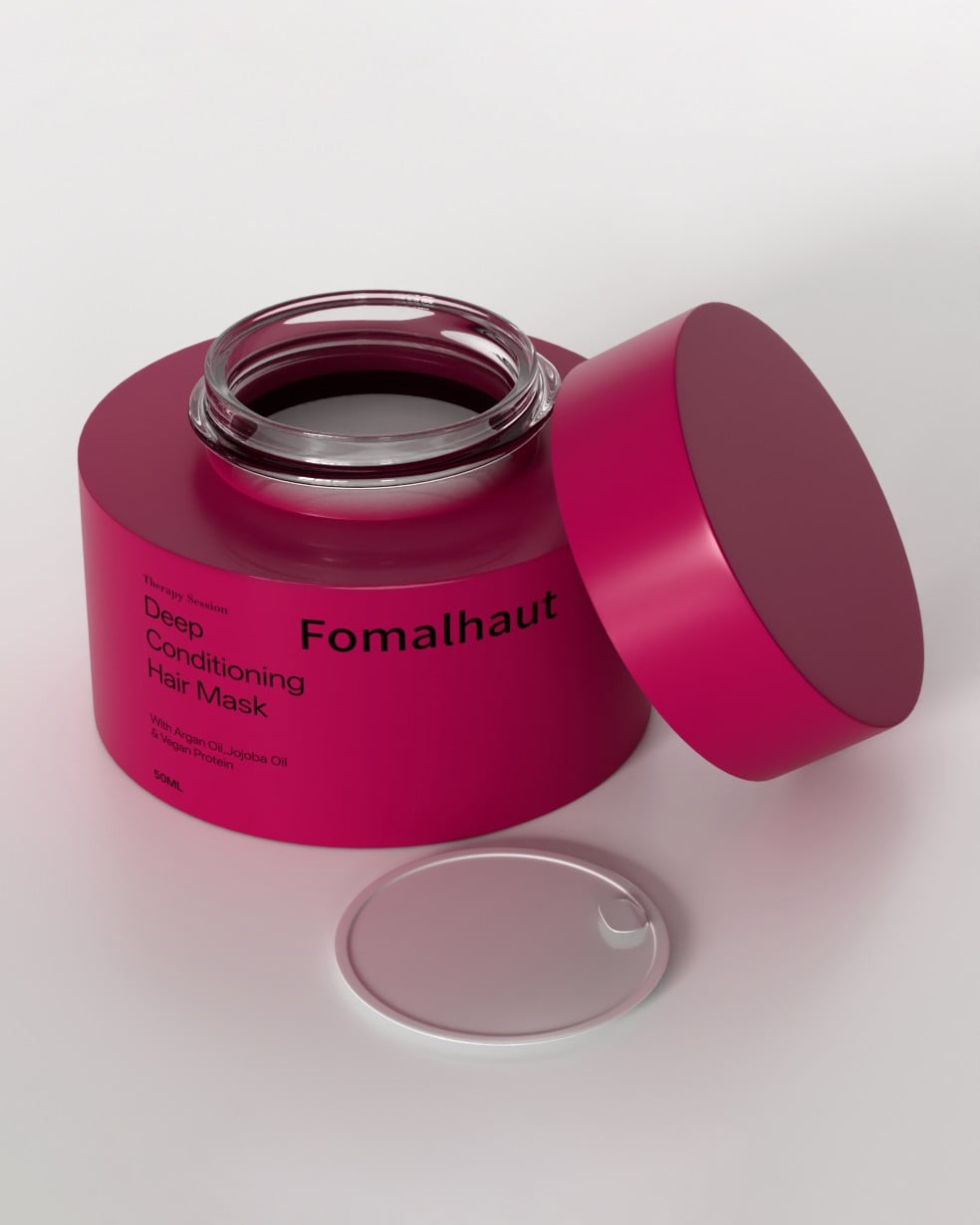
The Fatal Blind Spot:
Formula-First Material Matrix
At Fomalhaut, we believe that cosmetic packaging is a direct extension of your formula. Even the most luxurious exterior is meaningless if it fails to protect the chemical stability of the product inside. Below is our engineered defense matrix designed specifically to protect three high-risk cosmetic formulations from degradation, leakage, and spoilage.
01
High-Concentration Essential Oils & Polar Formulas
High-Concentration Essential Oils & Polar Formulas
Common Applications: Body butters, cleansing oils, pure essential oils, and potent serums.
The Risk: High concentrations of terpenes and polar solvents can easily corrode standard plastics. Utilizing materials like Polystyrene (PS) or single-layer acrylic often results in stress cracking--visible as spider-web fractures at the base--within weeks. This leads to costly product leakage and spoilage.
The Fomalhaut Solution: For absolute chemical inertness and a premium tactile feel, we highly recommend heavy-base glass containers. As a durable alternative to reduce transit breakage, our high-crystallinity PP wide-mouth jars and thick-wall PETG bottles provide exceptional resistance against oil-based corrosion while maintaining structural integrity.
02
Photosensitive & Oxidation-Prone Actives
Photosensitive & Oxidation-Prone Actives
Common Applications: High-concentration Vitamin C serums, retinol (Vitamin A), and advanced anti-aging creams.
The Risk: Sensitive active ingredients degrade rapidly upon exposure to ultraviolet (UV) light or oxygen, causing the formula to yellow and lose its clinical efficacy. Without proper barrier protection, consumers are left with an ineffective product.
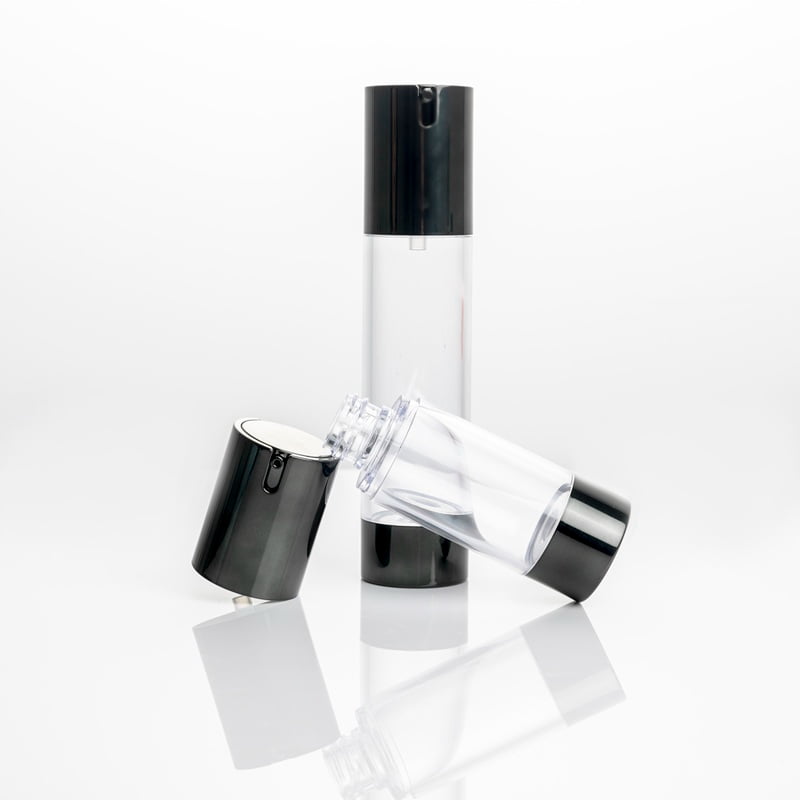
The Fomalhaut Solution: To ensure complete air isolation, our All-Plastic PP Airless Bottles utilize a vacuum piston mechanism that guarantees zero air contact. The metal-free spring design eliminates the risk of heavy metal catalytic oxidation. For UV protection, we utilize specialized violet glass or apply 100% opaque color spraying on PET bottles to completely block harmful light degradation.
03
Strong Surfactants & Volatile Formulas
Strong Surfactants & Volatile Formulas
Common Applications: Anti-dandruff shampoos, deep cleansing body washes, and alcohol-based toners.
The Risk: Strong surfactants can absorb oxygen inside the container, while volatile ingredients often create negative internal pressure. If the plastic walls are too thin or the wrong polymer is selected, the container will collapse inward--a structural failure known in the packaging industry as "paneling," which severely damages brand perception.
The Fomalhaut Solution: We engineer structural stability using high-toughness HDPE or PET materials. Our technical team implements precise wall thickness control and recommends cylinder-shaped bottles over flat oval designs, providing superior mechanical resistance against negative pressure deformation and ensuring the packaging maintains its pristine shape.
The Eco-Material Decision Guide
True sustainable packaging goes beyond simply following trends. Fomalhaut provides factual data and practical application boundaries for these six major eco-friendly materials, empowering you to make the most scientific and strategic commercial decisions for your cosmetic packaging.
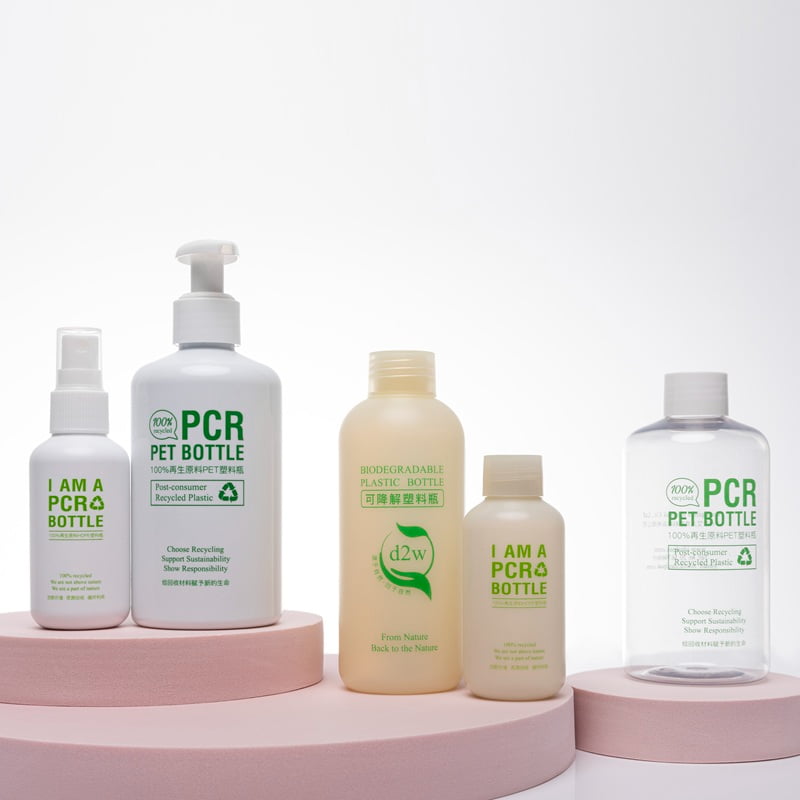
PCR (Post-Consumer Recycled Plastic)
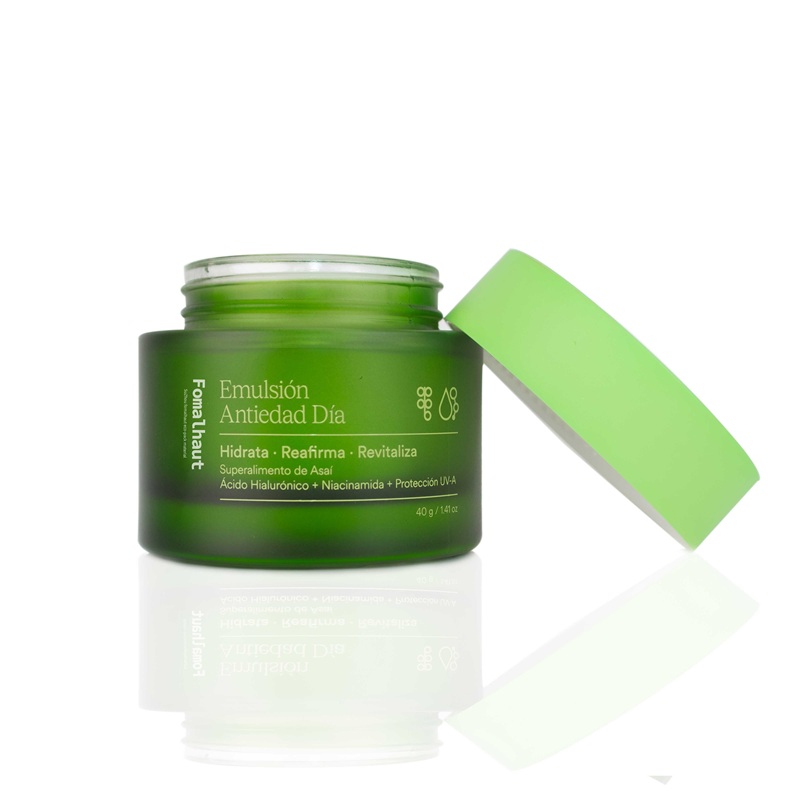
Glass
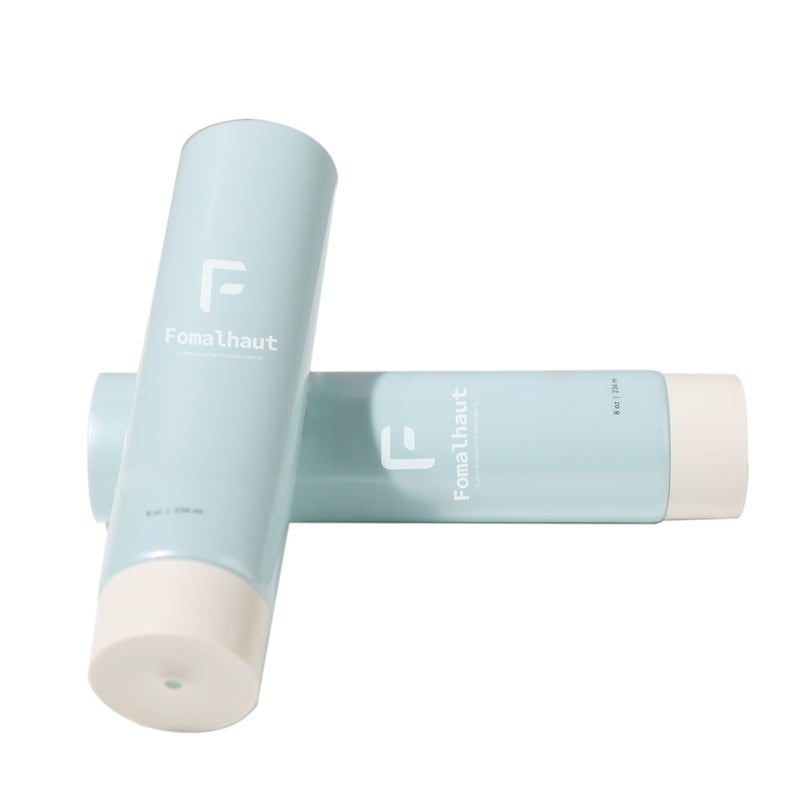
Sugarcane Plastic (Green PE)
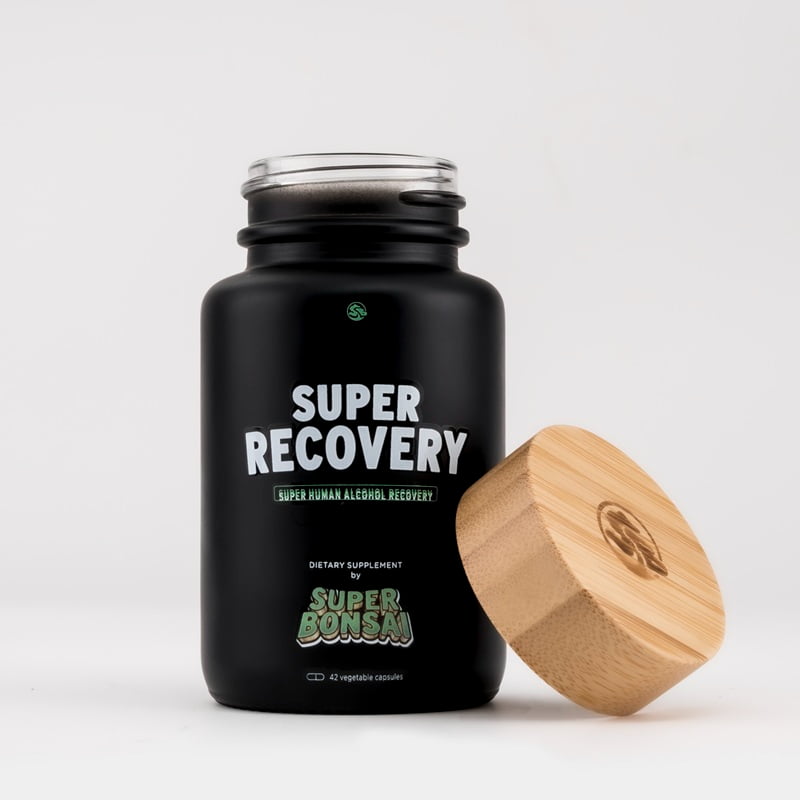
Bamboo
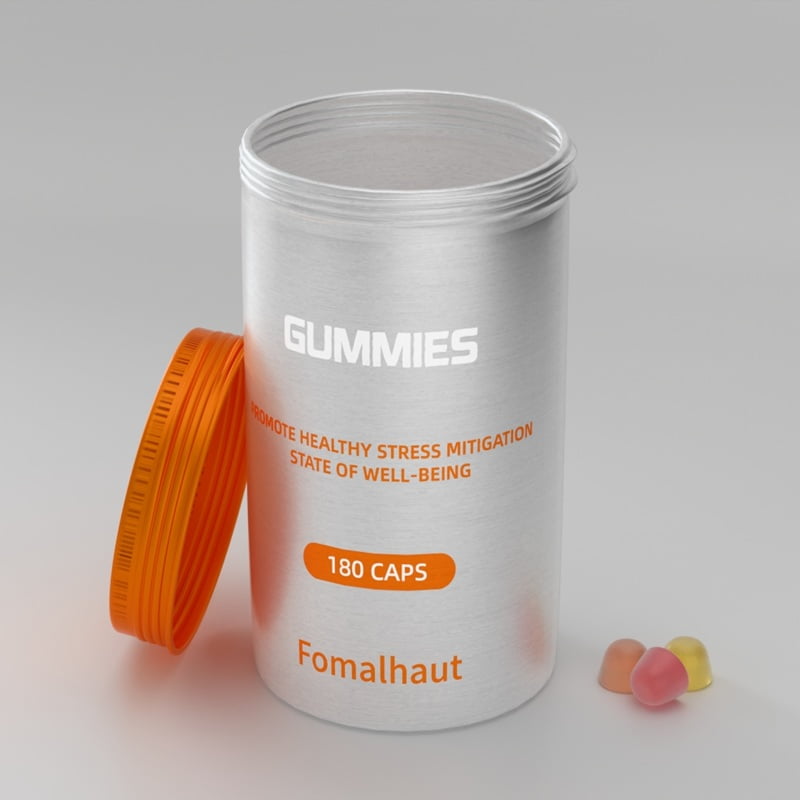
Aluminum
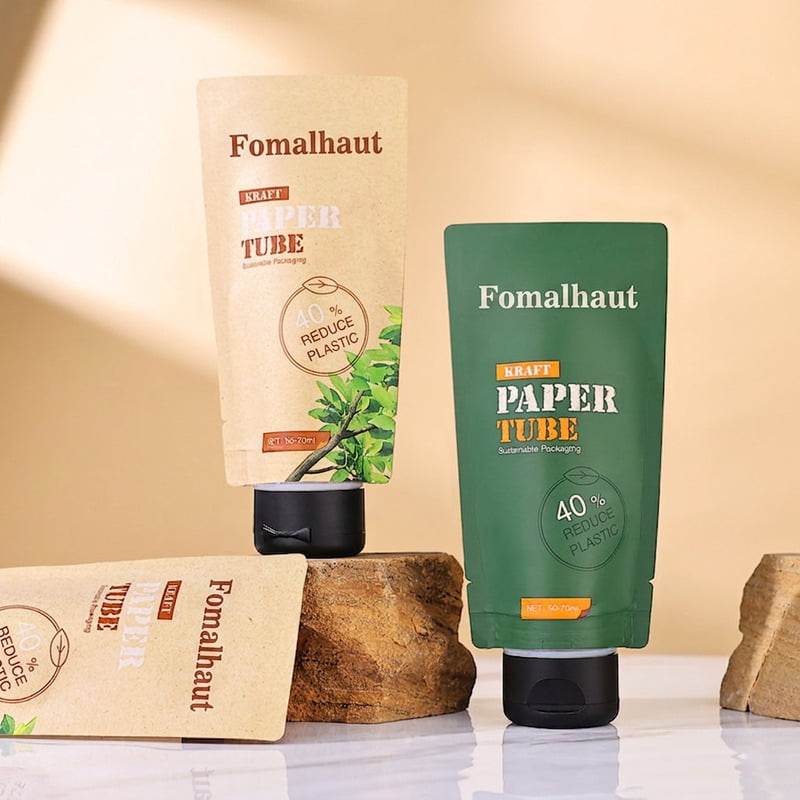
Paper & Cardboard
High-Performance Commercial Plastics Guide
Plastic is not synonymous with low cost. At Fomalhaut, we seamlessly integrate advanced polymer material engineering with your commercial budget. Below is our practical decision-making guide for the eight core plastics used in professional cosmetic packaging manufacturing.
The Core Workhorses: Foundation & Security
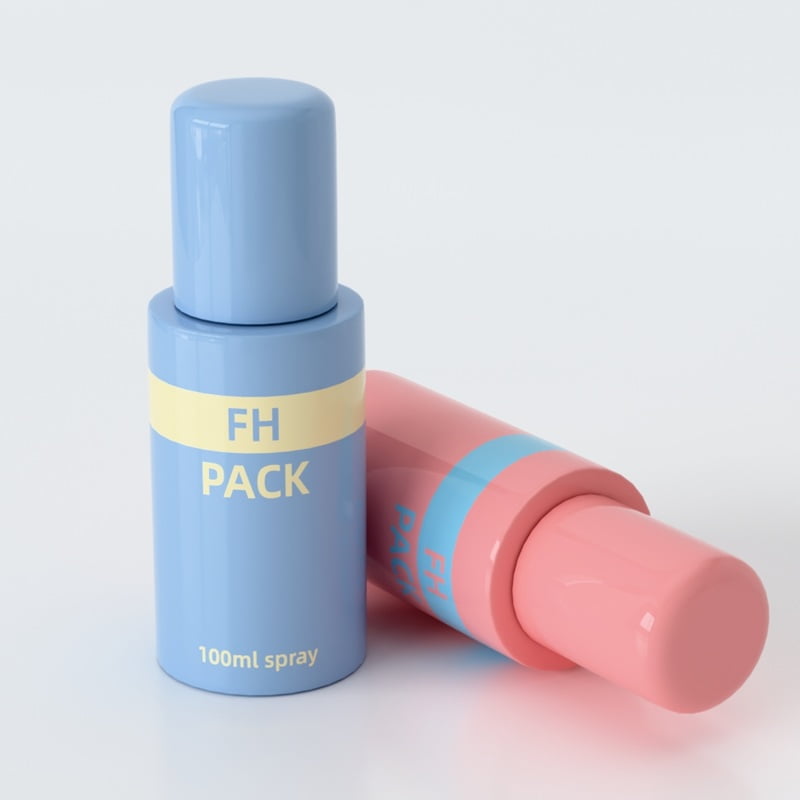
PET (Polyethylene Terephthalate)
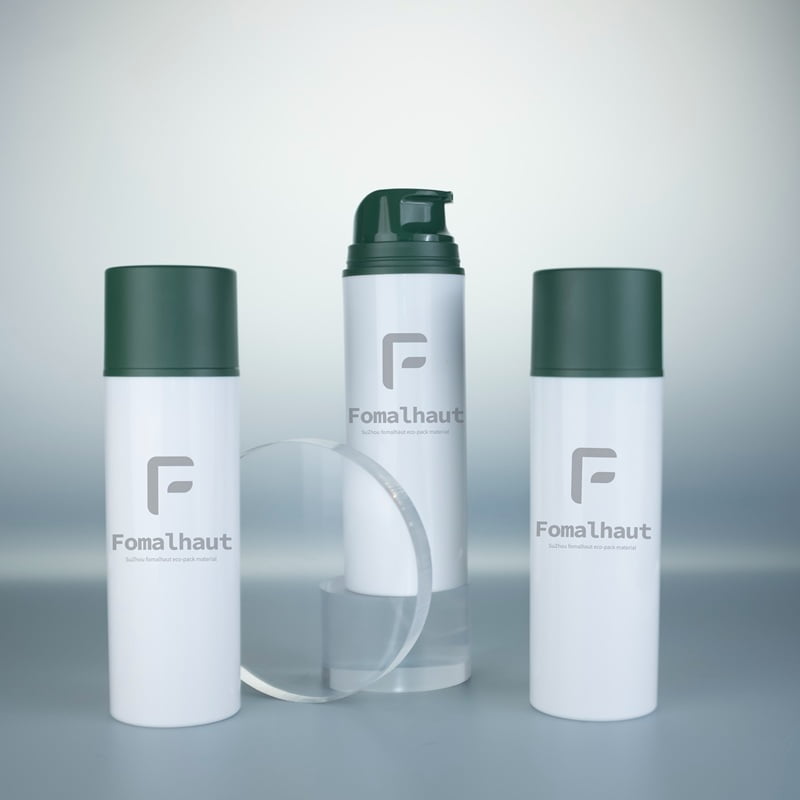
PP (Polypropylene)
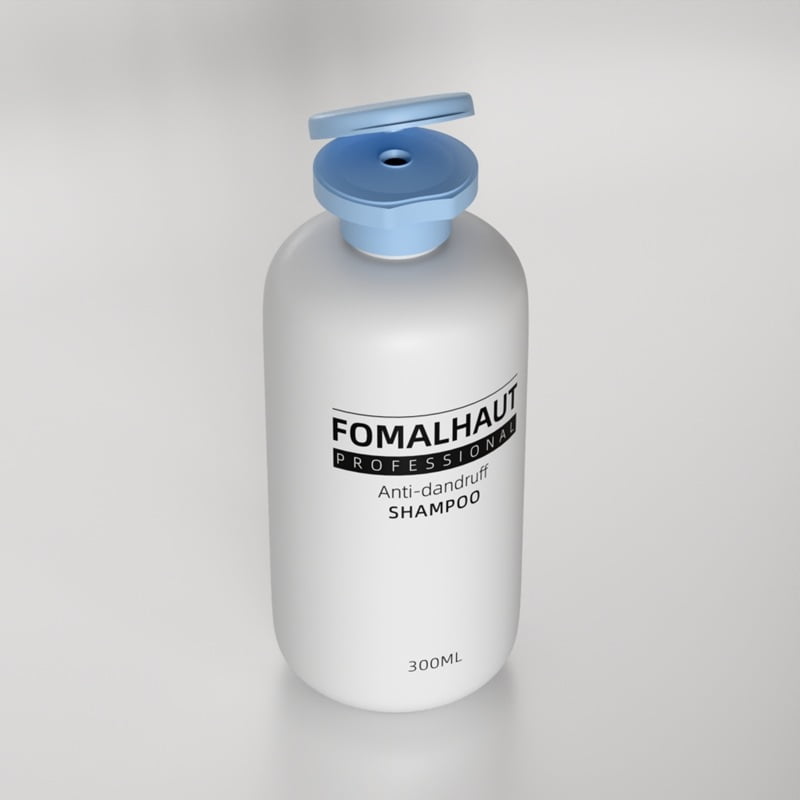
HDPE (High-Density Polyethylene)
The Premium & Luxury Class: Visual Elevation
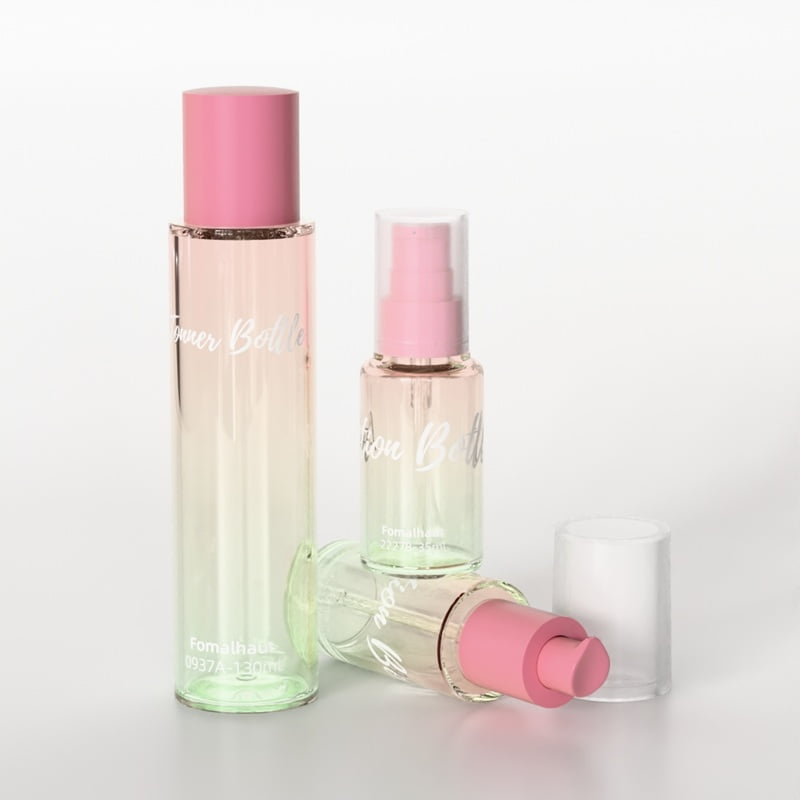
PETG (Polyethylene Terephthalate Glycol)
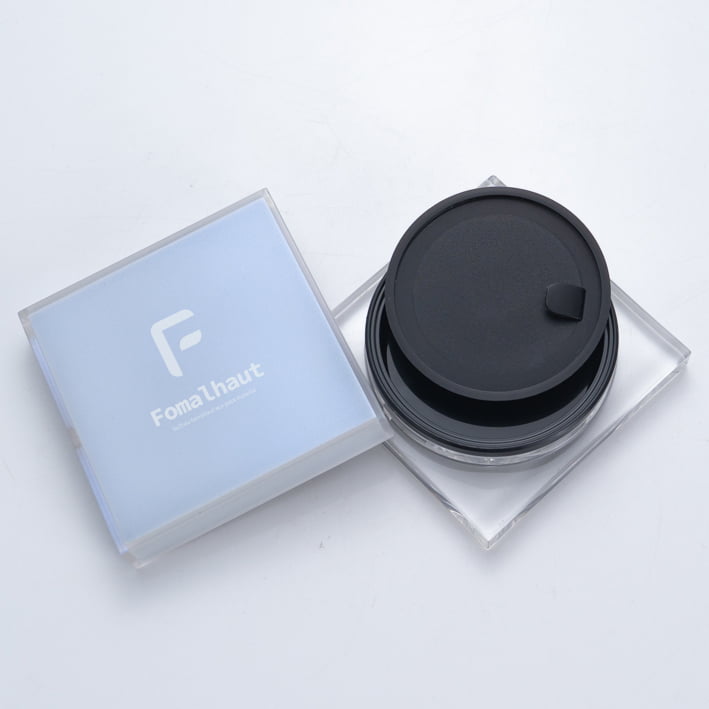
Acrylic (PMMA)
The Structural & Cost-Effective Options: Components & Budget
ABS (Acrylonitrile Butadiene Styrene)
AS (Styrene Acrylonitrile)
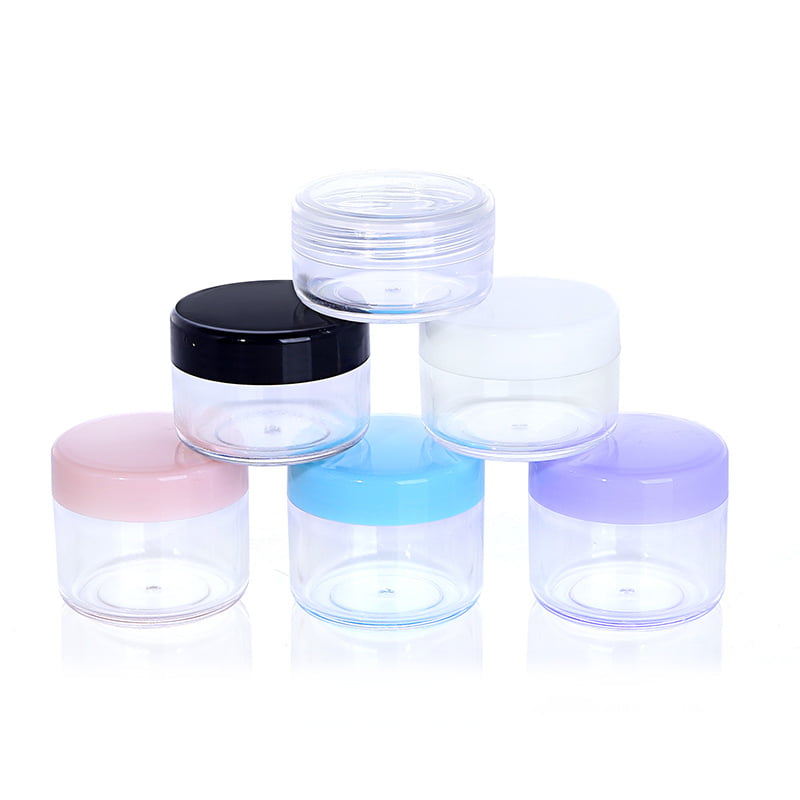
PS (Polystyrene)
Material & Compliance
Expert FAQ
Choosing the right material is just the first step. Ensuring product safety and shelf appeal is the ultimate goal. Here are 7 core commercial and engineering questions answered by Fomalhaut packaging engineers.
Will high-concentration (15%) natural plant essential oils in our body oil or cream melt standard plastic jars?
This is a critical compatibility issue. High-concentration essential oils (such as citrus or lavender) act as strong organic solvents that can easily degrade PS (Polystyrene) or single-wall acrylic, leading to stress cracking at the base. For essential oil formulas, we strongly recommend chemically inert heavy-base glass or high-crystallinity materials like PP and thick-wall PETG. Before mass production, we conduct rigorous high-temperature aging and compatibility tests to ensure complete structural safety for your cosmetic packaging.
Our serum contains high concentrations of Vitamin C and Retinol, which are highly sensitive to light and oxygen. Which packaging material provides the best protection?
Light-sensitive active ingredients degrade quickly when exposed to UV rays or air. We offer a dual-protection approach. First, to block air exposure, we recommend Fomalhaut's all-plastic PP airless bottles, which feature a metal-free pump to prevent oxidation catalyzed by metal springs. Second, to block UV light, we suggest violet light-blocking glass or applying a 100% opaque solid color spray on PET bottles. This ensures your active skincare ingredients remain stable and effective.
We previously used PET bottles for anti-dandruff shampoo, but after a few months, the bottles severely caved in (paneling). Why did this happen and how can we prevent it?
This phenomenon is known as paneling. It typically occurs when strong surfactants in the formula absorb oxygen inside the bottle, or due to sudden air pressure changes during air freight. Fomalhaut packaging engineers solve this by optimizing wall thickness control. We often recommend switching to a more structurally resilient cylinder shape or using HDPE material, which offers greater flexibility and prevents deformation, ensuring your personal care packaging maintains its intended shape.
We want to use PCR (Post-Consumer Recycled) materials to support sustainability, but we worry about dull colors or black specks ruining our brand's premium look.
You do not have to compromise on aesthetics. Fomalhaut sources high-purity PCR resins. More importantly, we use advanced surface decoration techniques to elevate the final appearance. By applying a soft-touch coating or solid matte spray finish over the PCR bottle, we effectively cover any minor impurities while giving the packaging a luxurious, velvet-like feel. This allows your eco-friendly packaging to maintain a premium, high-end visual appeal.
Our brand wants a semi-translucent gradient color for our serum bottles. Which plastic offers the best color clarity and texture?
Achieving a flawless gradient effect requires a highly transparent base material. We advise against using PP or HDPE, which have a natural milky tint. Instead, we highly recommend PETG or high-clarity PET. When combined with Fomalhaut's inner gradient spraying technique, these materials deliver exceptional depth, vibrant color transitions, and a premium glossy finish for your cosmetic bottles.
Many factories promote PLA (Polylactic Acid) biodegradable plastics. Why does your environmental guide advise against using PLA for cosmetic packaging?
PLA has poor heat resistance and is highly prone to hydrolysis (breaking down in water). Since most cosmetics contain high water content and are often stored in humid environments like bathrooms, PLA bottles can become brittle and crack within months, ruining the formula. For cosmetic applications, we strongly recommend physically stable and responsible sustainable packaging alternatives like PCR or Sugarcane PE (Green PE), which offer reliable durability.
Our products will be exported to Europe and North America. Can your packaging materials ensure smooth customs clearance and meet local retailer standards?
Absolutely. With 20 years of export experience, Fomalhaut ensures that not only our base resins but also all color masterbatches and printing inks are 100% compliant with the latest REACH, FDA, and RoHS standards, strictly free from heavy metals. We provide comprehensive Declarations of Conformity (DoC) and PCR traceability certificates to help your brand smoothly enter top international retail channels like Sephora.
Streamline your packaging project. Our experts guide you from concept to production.
Connect with our manufacturing specialists. We provide tailored advice on eco-friendly materials, low MOQ solutions, and global compliance to ensure your cosmetic brand launches successfully.